

Some animals, like striped skunk and weasel are open for trapping year-round.
Pennsylvania's heritage includes a rich history of hunting and trapping that dates back centuries. In the Keystone State, public land is plentiful, with stunning forests and chances to trap a range of furbearers and semi-aquatic species.
Want to take part in unique Pennsylvania hunting and trapping opportunities? Keep reading for a breakdown of some critical dates, strategies, and tips to ensure you make the most of the PA trapping season.
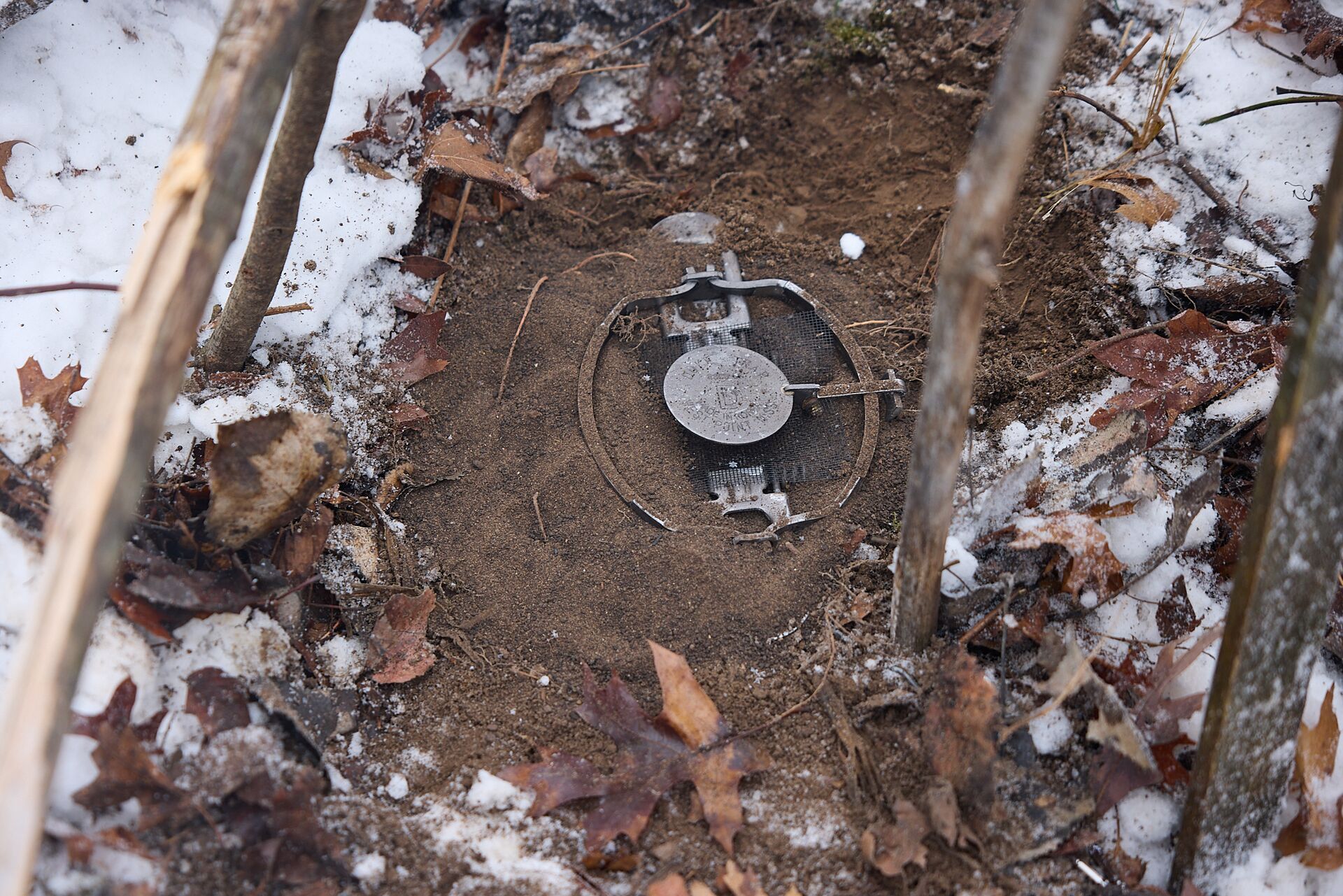
When Does Trapping Season Start in Pennsylvania?
The Pennsylvania Game Commission (PGC) sets Pennsylvania trapping dates by species and Wildlife Management Unit (WMU). The season typically begins in late October or early November.
The PGC hunting and trapping digest is updated annually and contains critical information for trappers, including dates, WMUs, licensing details, and legislative changes.
Common Trapping Seasons (Typical Ranges)
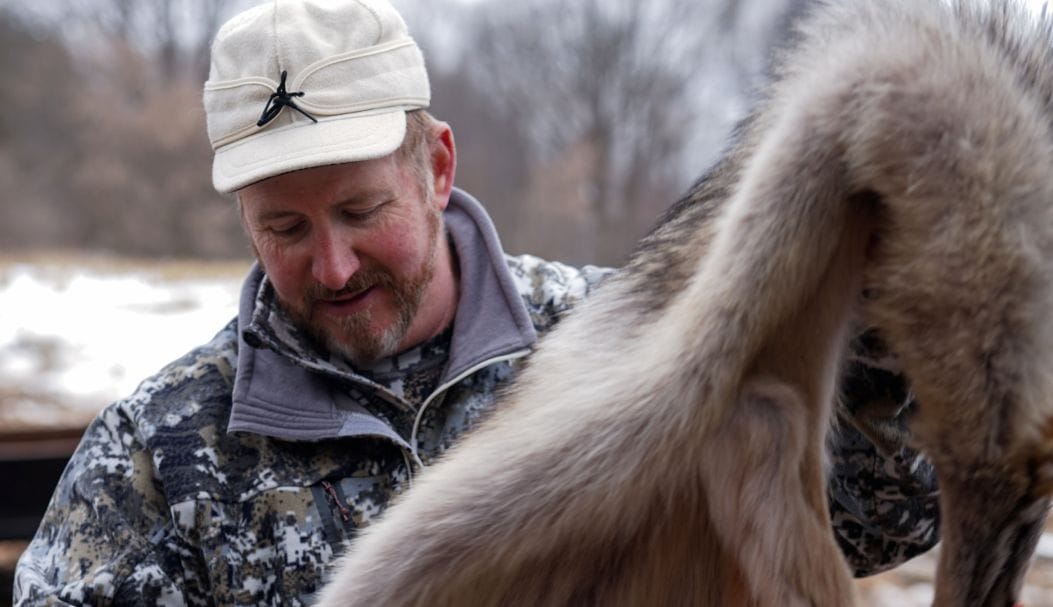
Exact trapping dates vary by year and WMU. To ensure safe, ethical, and compliant practices, always check PGC trapping regulations, Pennsylvania trappers. Let's take a look at the typical Pennsylvania trapping dates so you can take a proactive approach to your hunting preparation and education.
- Generally, trapping season for coyotes, foxes, opossums, raccoons, striped skunks, and weasels runs from late October to mid-to-late February.
- Mink and muskrat trapping season runs from mid-November to mid-January.
- Trapping for beavers usually runs from mid-December to the end of March (though this may vary by WMU).
Note that trapping season for bobcats and fishers is limited to permit-only hunting and runs from mid-December to early January.
PA Trapping Season 2025–2026 Dates
Let's get more specific for the current trapping season in PA. Check out the dates for the 2025/26 PA furbearer season below, including limits and WMUs.
| PA Trapping Season 2025–2026 | ||
| Minks and Muskrats | The season runs from November 22–January 11, 2026. | No limit |
| Coyotes, Foxes, Opossums, Raccoons, Stripe Skunks, and Weasels | The season runs from October 25–February 22, 2026. | No limit |
| Coyotes and Foxes (Cable Restraints) Statewide | The season runs from December 26–February 22, 2026. | Participants in this season must show competency and pass a cable restraint certification course. |
| Beavers (Statewide) | The season runs from December 20–March 31, 2026. Double-check all WMU information. | Limits vary by zone. |
| Bobcats | The season runs from December 20–January 11, 2026. Trapping is permitted in WMUs 2A, 2B, 2C, 2D, 2E, 2F, 2G, 3A, 3B, 3C, 3D, 4A, 4B, 4C, 4D, and 4E. | Trappers are permitted one bobcat per license year, and licensed furtakers are limited to one permit. |
| Fishers | The season runs from December 20–January 11, 2026. Trapping is permitted in WMUs 1B, 2C, 2D, 2E, 2F, 2G, 3A, 3B, 3C, 3D, 4A, 4B, 4C, 4D, and 4E. | Trappers are permitted one fisher per season, and licensed fur trappers are limited to one permit. |
| River Otters | The season runs from February 14–February 21, 2026 (a one-week window). Trapping is permitted in WMUs 1A, 1B, 2F, 3B, 3C, 3D, and 4E. | Trappers are permitted one river otter per licensed year, and licensed furtakers are limited to one permit. |
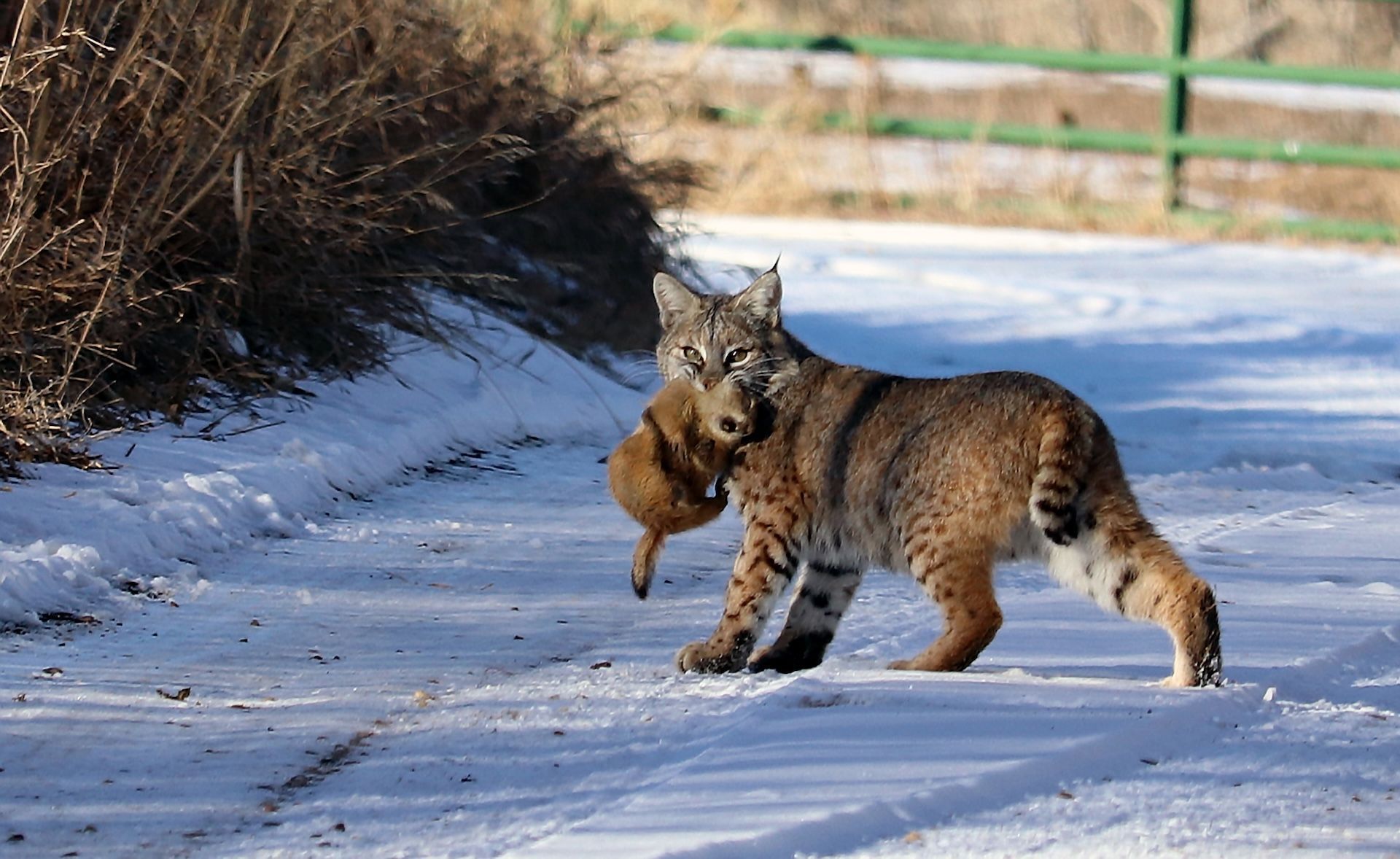
What Animals Can You Trap in PA?
Trapping opportunities in Pennsylvania include common furbearers such as coyotes, foxes, opossums, raccoons, striped skunks, and weasels. You can also trap semi-aquatic furbearers such as minks, muskrats, and beavers. The state also offers trapping for limited species (by permit), such as bobcats, fishers, and river otters, in designated WMUs.
Developing an understanding of the different trappable species will help you stay on top of varied regulations and seasonal changes. For example, species such as bobcat, fisher, and river otter may require separate tags and are typically limited to certain WMUs.
Pennsylvania Trapping Laws
All residents and non-residents who hunt, trap, take, or kill furbearers in the PA trapping season must have trapping licenses. All traps must be tagged with the trapper's name, address, and the commission-issued CID number.
Daily (or at least once every 36 hours) trap checks are mandatory for most traps. I always recommend checking traps before and after work to release or remove any animals. Trap design, style, and size depend on your intended species, so always check PCG requirements.
If you plan to hunt on private land, always obtain the landowner's explicit permission. The Pennsylvania Trappers Association is an excellent resource for management practices, guides, and overviews of the law.
Do You Need a License to Trap in PA?
You must have a valid Pennsylvania fur trapper/trapper license to trap in Pennsylvania. All first-time hunters and trappers must complete a hunter/trapper education course before purchasing either a hunting or a trapping (fur trapper) license.
Once you've met the necessary educational requirements, you can apply for your license. Species such as bobcat, fisher, and river otter require additional special permits.
Important Regulations
If you're planning to trap during the Pennsylvania trapping season, take your hunter/trapper education course as soon as possible. Not only is it the prerequisite for a trapping license, but it is also a great way to explore the sport, its ethics, and safety. Familiarize yourself with state-specific trapping tips for Pennsylvania game species.
Always check special limits and restrictions for particular species. For example, Pennsylvania has a statewide limit of 20 beaver traps or snares, but limits may vary by WMU. Bobcats and fishers require special certification (one per license year).
The use of cable restraints requires specialist certification for coyote and fox trapping. Always verify WMU-specific rules for bag limits, trap types, and open seasons.
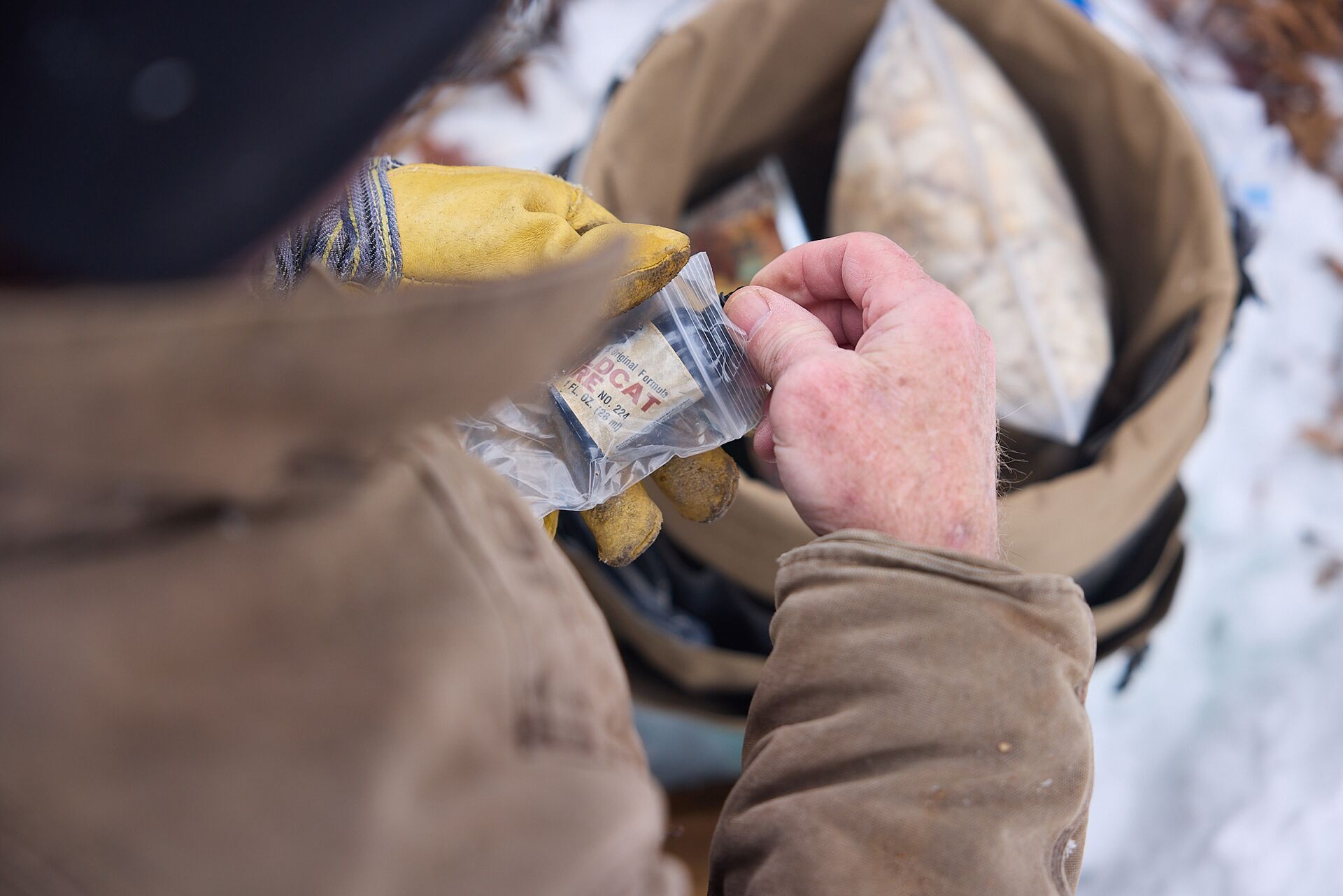
Let HuntWise Guide You to Better PA Trapping Success
Though your trap use and field experience will develop with time, the most critical component of a successful trapping season is location. With the HuntWise app, you'll be able to explore essential locations, including private and public land divides, apply LiDAR overlays to uncover hidden runs and routes, and gain weather insights to plan the best days to set and monitor traps.
Download HuntWise and !
Frequently Asked Questions (FAQs)
We have answers to questions about the PA trapping season.
Q: When does trapping season start in Pennsylvania?
A: In Pennsylvania, most furbearer trapping seasons begin in late October, with some species (like mink, muskrat, and beaver) opening later in November or December. Dates vary by species and year.
Q: What animals can you trap in PA?
A: In PA, legal furbearers include coyote, fox, raccoon, opossum, striped skunk, weasel, mink, muskrat, beaver, and porcupine. By permit and limited season, trapping is also available for bobcat, fisher, and river otter.
Q: What are PA trapping laws?
A: PA trapping laws include that trapping is only allowed during open seasons, traps must be checked at least once every 36 hours, traps must be tagged, and only approved trap types and methods may be used. Additional rules apply to locations, species, and reporting.
Q: Do you need a license to trap in PA?
A: Yes, you need a license to trap in PA. A Pennsylvania furtaker license is required to trap furbearers. Some species also require special permits in addition to the license.


