

While Texas might carry the fame of early-season dove hunts, head east toward the Atlantic, and you'll uncover the stunning shooting and exciting dove hunts of South Carolina. The South Carolina dove season marks the unofficial kickoff to fall hunting in the state, bringing wingshooters from all walks of life to the sprawling agricultural fields and managed lands to bag out on birds.
If you're interested in taking on the dove season in South Carolina, then keep reading as we explore the dove season in greater depth, breaking down dates, regulations, and insider strategies to help you kick off the fall season with success.
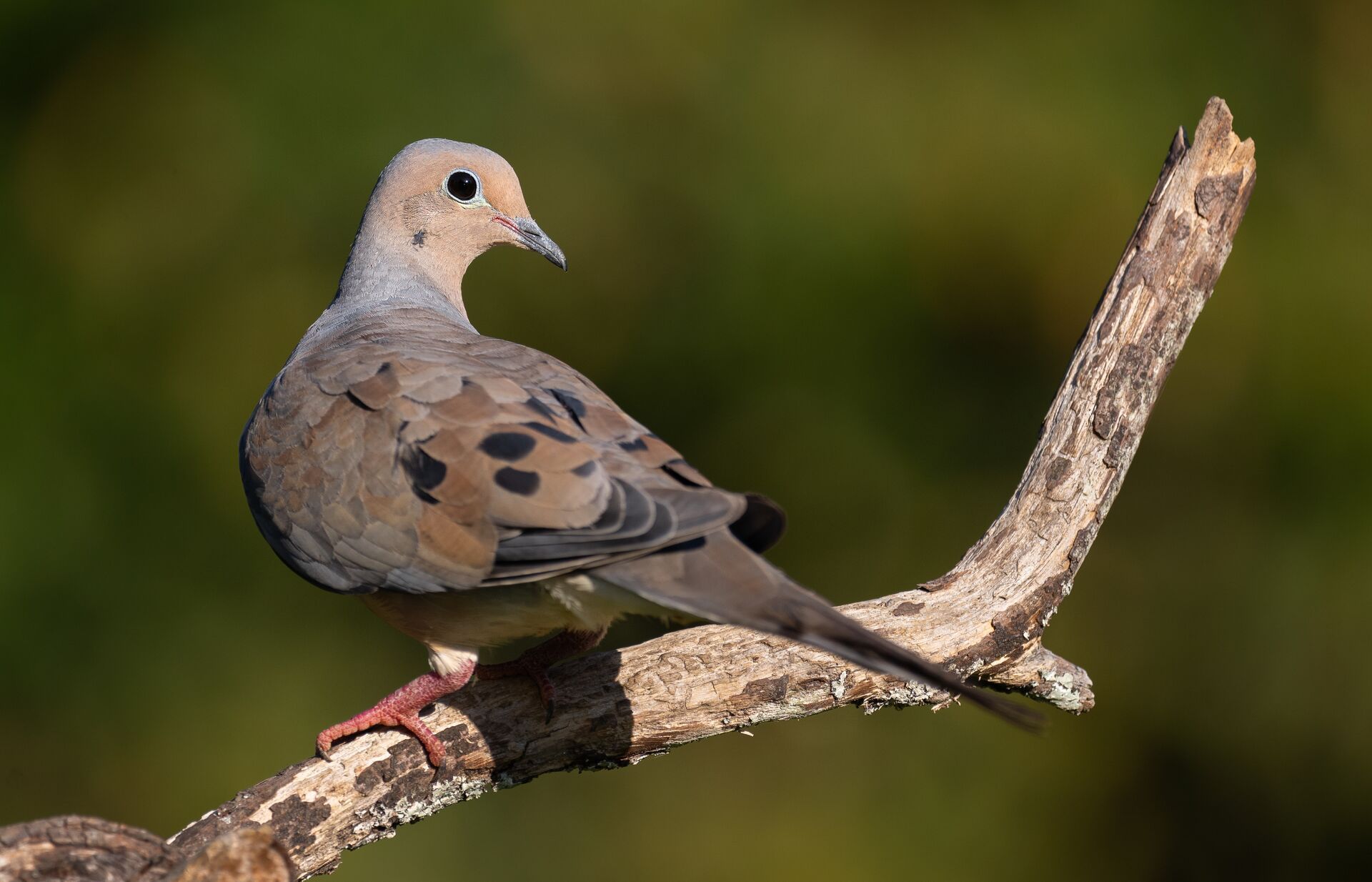
Why Hunt the Dove Season in South Carolina for 2026?
With the Atlantic Ocean to the east and mixed environments carefully managed by the South Carolina Department of Natural Resources (SCDNR), the dove season in South Carolina sees healthy harvest numbers and accessible hunting opportunities for new and experienced hunters.
The dove hunt is a representation of tradition that South Carolinians hold firm and steadfast. These shoots are family-focused, often filled with tailgate lunches, catch-ups with friends and family, and some burnt shells under the warm September skies.
When is Dove Season in South Carolina?
Typically, the South Carolina dove season is broken down into seasons or segments, which are split throughout the fall and early winter.
South Carolina Dove Season 2026 |
|
Opening day is often a big deal as it frequently aligns with Labor Day weekend, and hunting is allowed only during the afternoon (usually from noon until sunset). Thousands of wingshooters take to the field to hunt on this day, creating an exciting sense of anticipation for all the fall hunting that is yet to come.
If you get a chance to hunt Labor Day weekend, go for it, as it's an excellent opportunity to take part in the tradition and showcase just what wingshooting in South Carolina is all about.
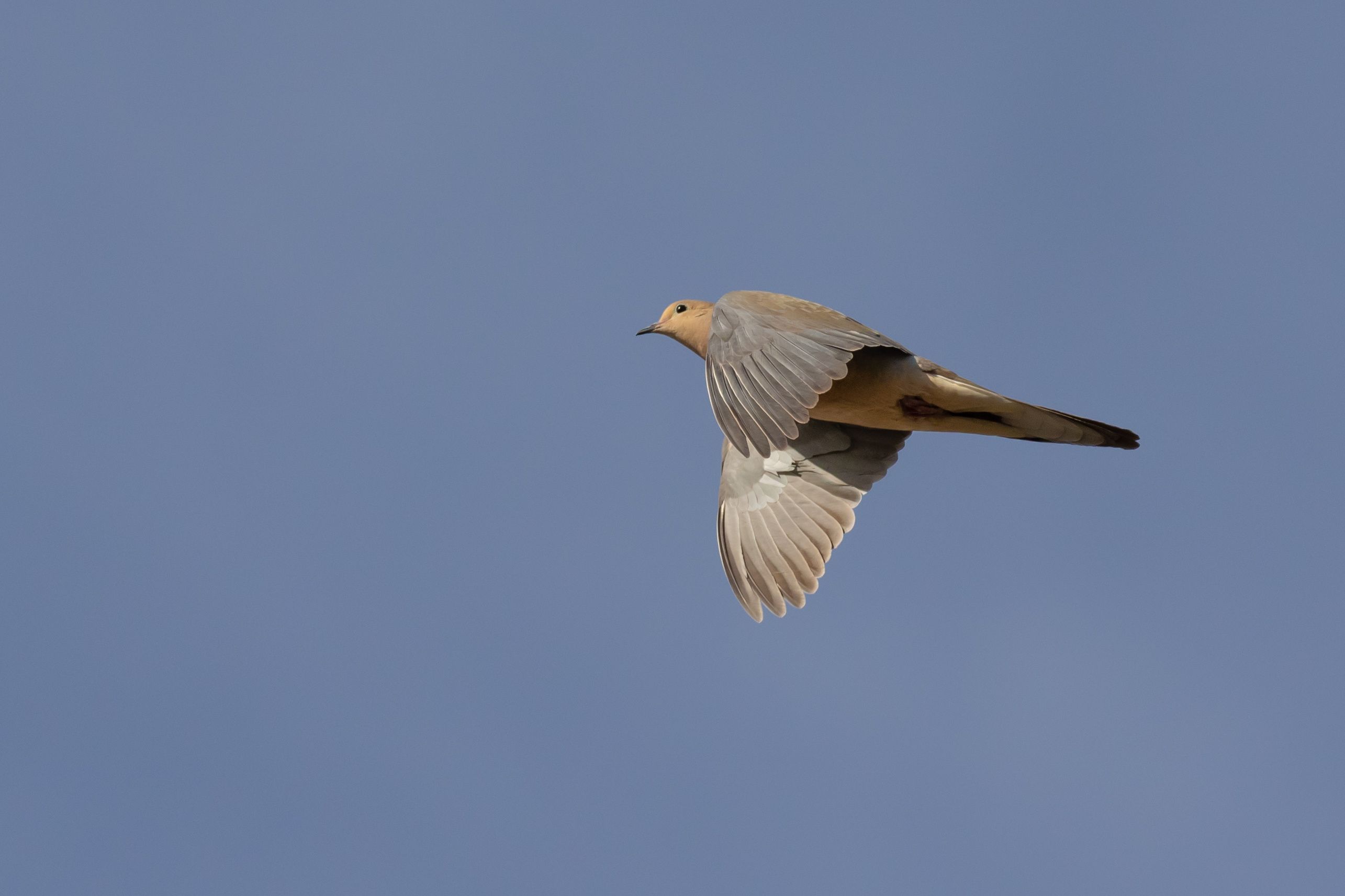
How to Hunt Dove in South Carolina
South Carolina's dove fields reward hunters who scout early and set up smart, since birds key in on specific feeding patterns before the season opens. Follow these steps to put yourself in the best position for opening day.
- Scout harvested grain fields. Look for fields planted in sunflowers, millet, or wheat, and recently cut corn or milo, since doves feed heavily on these after harvest.
- Confirm the field is legal to hunt. Baiting is illegal in South Carolina, so verify any field you're considering is part of a normal agricultural planting or harvest cycle, not manipulated to attract birds.
- Get permission or register for public land. Secure landowner permission for private fields, or check SCDNR's public dove field program for managed hunts and sign-up requirements.
- Watch the flight lines before opening day. Doves travel regular routes between roosting trees, water, and feeding fields. Spend an evening watching where birds move so you can pick a productive spot.
- Set up along the edge of the field. Position yourself near tree lines, power lines, or field corners where doves naturally funnel, rather than out in the open middle of the field.
- Place a small decoy spread. Set out four to six decoys, including a couple on nearby fence lines or branches, to draw passing birds within range.
- Load a plugged shotgun with the right shot. Use a shotgun plugged to hold no more than three shells, loaded with shot sized #6 to #8.
- Stay alert through the full hunting hours. Doves often move in waves, so keep watching the sky between flurries rather than assuming the action is over.
Put in the scouting time and pick your spot carefully, and you'll be set up for a solid dove hunt anywhere in South Carolina this season.
Use HuntWise to Improve Dove Hunting Success
Finding a prime hunting location is going to be your best bet to kickstart your South Carolina dove hunting plan. Scout agricultural fields (especially sunflower, millet, and corn fields), power lines, and watering areas, as these are highly frequented zones and are permitted for hunting as long as the grain distribution is of regular agricultural practices (there are strict baiting laws in place).
Publicly managed fields are planted explicitly for wildlife and can be accessed during specific hunting periods, as long as hunters follow specific guidelines at all stages. However, since much of the top hunting takes place on private land, such as wheat fields and crops, it may be possible to seek landowner permission to hunt these zones.
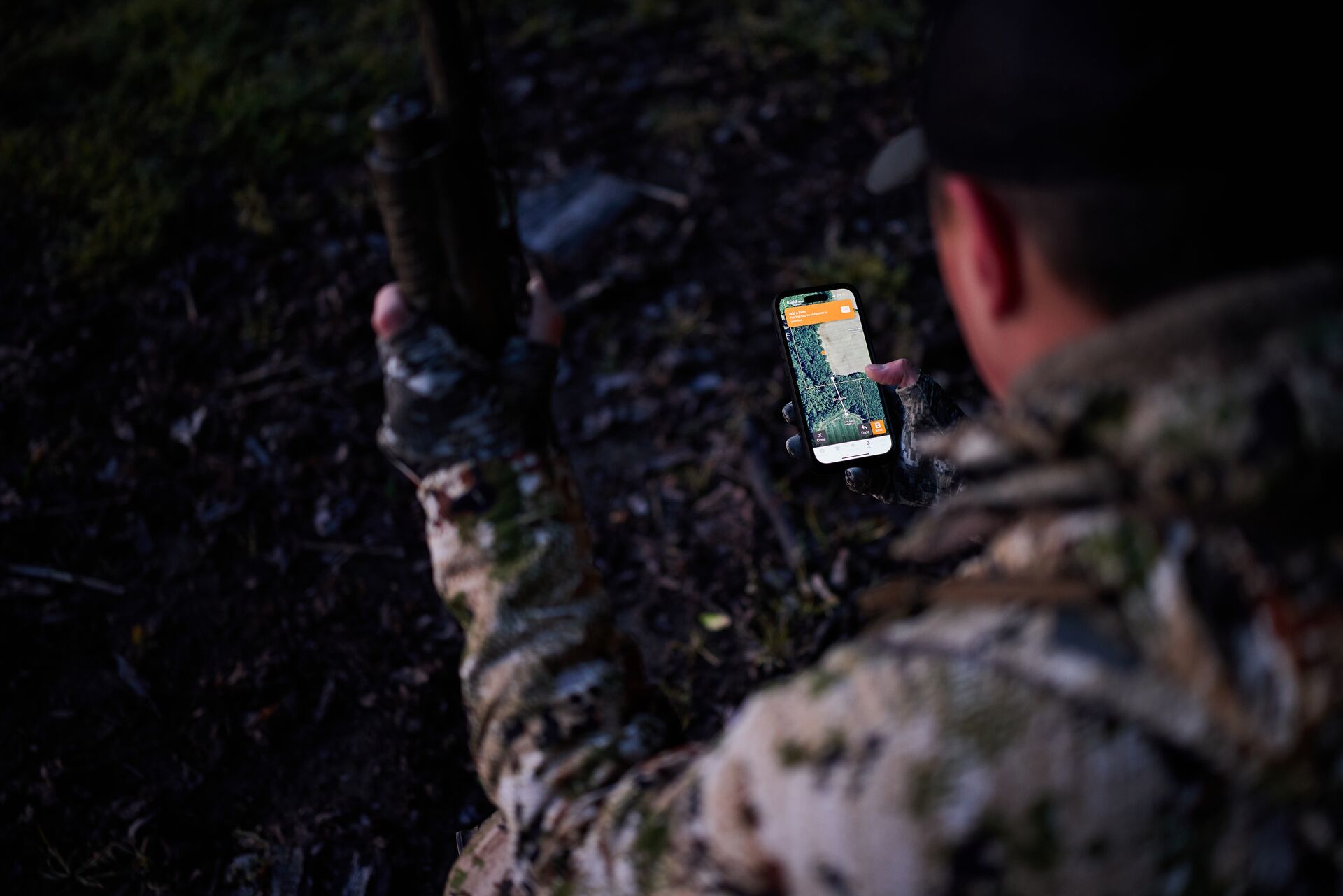
Use your HuntWise app’s maps layers to access landowner contact details. Then, consider reaching out to express your interest.
Then, once you've established potential shooting zones, it can help to conduct in-person scouting. This involves walking the fields to mark potential watering, feeding, and fly-over zones, and identifying possible locations for setting up a blind.
Know How to Shoot
When it comes to shooting, stationary pass-shooting is the most common method, most commonly with a 12 or 20 gauge shotgun with an improved cylinder choke and #7½ or #8 sized shot.
Early morning and late afternoon shooting in a well-concealed blind with some well-matched camouflage will be your best bet to get onto the highest number of birds.
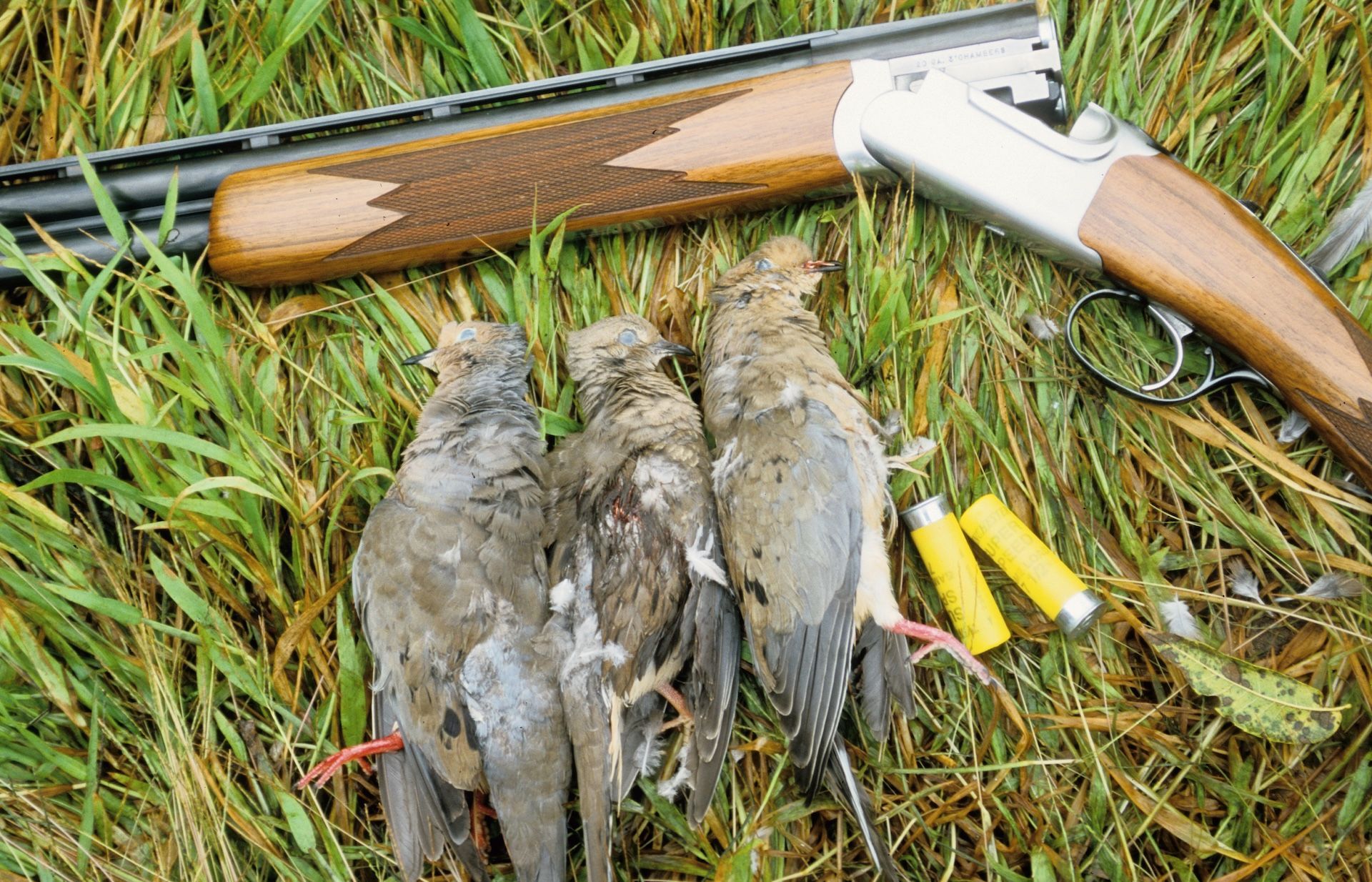
South Carolina Dove Hunting Rules and Regulations
Due to the migratory nature of doves, there are typically both state and federal limits and regulations in place to maintain the bird population and ensure safe and sustainable hunting during the dove season in South Carolina.
To get started, you'll need a Harvest Information Program Permit (HIP), which helps collect critical information on bird numbers. You'll also need a migratory bird permit, which is a federal requirement, as well as a valid hunting license.
Remember: To get a hunting license in South Carolina, you must complete hunter education, unless you were born before June 30, 1979.
Mind the Shooting Hours and Bag Limits
Shooting hours are typically half an hour before sunrise to sunset. However, check for any changes to these hours, especially during special hunts or changes in seasons.
The daily bag limit for doves is 15, with a possession limit of 30, and you can take only one bag limit per day.
Follow Baiting Laws
Baiting laws are strictly enforced, and permissible agricultural fields must fit all legal requirements. However, inadvertent violations can happen. To avoid them, it's best to check with SCDNR, your shooting club, or landowners before hunting, especially over recently planted wheat fields.
Finally, many units offer youth hunts where young hunters can experience dove hunting in controlled conditions under adult supervision.
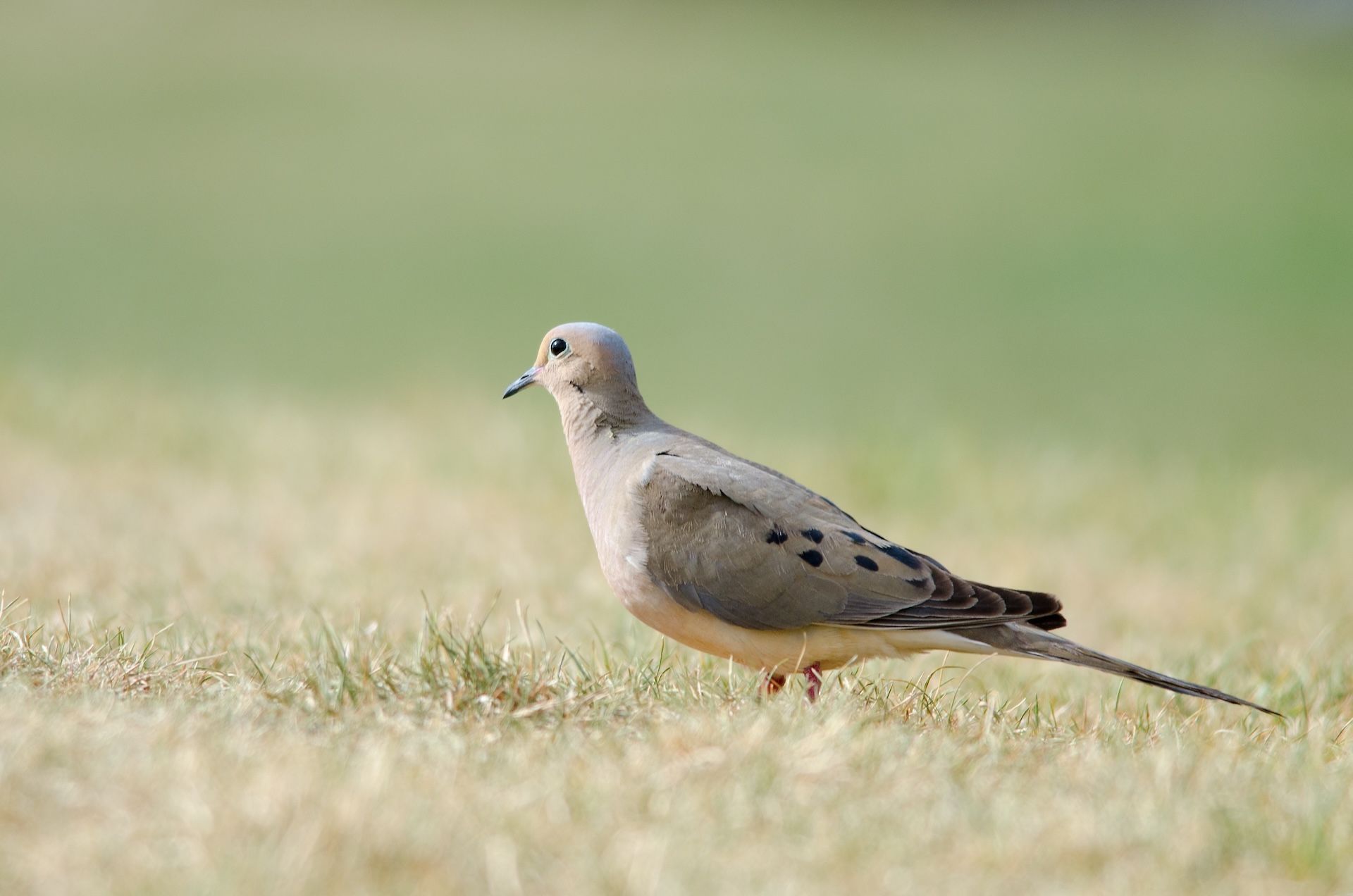
What to Know About Public Dove Fields and Access
The SCDNR manages and opens public access dove fields. These fields are often planted with dove-friendly crops such as sunflower or millet. As you can imagine, these fields can become popular, so many are operated on a first-come, first-served basis, and some require pre-booking or entering a lottery-style system.
A Wildlife Management Area permit is required to hunt these zones. Check the SCDNR website for maps, access dates, and field-specific rules.
Gear and Pro Tips For Success
What dove hunting gear do you need for success? Here are some key items to bring with you.
- Doves are erratic flyers that can twist and shift patterns, making them hard to hit. Pack enough shells, more than you think you need (double-check shell limits, especially for WMAs).
- A dove stool or bucket is an essential piece of kit, especially for extended hunts.
- We recommend ear and eye protection, as well as environment-appropriate camouflage.
- Early September hunts can be hot, so don't forget to pack wide-brimmed hats, sunscreen, and take water and electrolytes if you're prone to dehydration.
Finally, always double-check the most current SCDNR regulations before the season launch, as there can be some final changes. And, as always, keep HuntWise handy, as weather patterns can shift quickly, which will impact your hunting.
Make the Most of South Carolina Dove Season With HuntWise
For excitement, classic shooting, and the opportunity to enjoy some world-class dove hunting, don't miss the South Carolina dove season. With plenty of opportunity, carefully managed lands, and a supportive community, there's a lot to love about this season starter.
For weather insights, mapping overlays, private landowner contact details, and everything else you need to bag out of doves, download the HuntWise app! Scout and plan your hunt, then enjoy the hunt this season.
Content most recently reviewed and updated August 21, 2026.
Frequently Asked Questions (FAQs)
Q: Can you hunt dove 30 minutes after sunset?
A: No. South Carolina's legal dove hunting hours run from one-half hour before sunrise to sunset, and shooting must stop at sunset, not 30 minutes after. This differs from some waterfowl rules in other states, so don't confuse the two. Check daily sunrise/sunset tables since exact times shift throughout the season.
Q: Can you put corn out for doves?
A: No. In South Carolina, scattering shelled, shucked, or unshucked corn (or any grain, salt, or feed) to lure doves is illegal baiting under both state and federal law. Standing, harvested, burned, raked, or bush-hogged corn fields are legal to hunt over as long as the field was prepared following normal agricultural practices.
Q: Are pigeons legal to shoot during dove season?
A: Yes. Rock doves, commonly called pigeons, are unprotected in South Carolina and may be taken along with mourning doves, though they don't count toward the daily bag limit. You still need a valid hunting license to harvest them.
Q: Is 2 acres big enough for a dove field?
A: It can work, especially for a small group of two or three hunters, but expect lighter and less consistent action than a larger field draws. Doves key in on food source size and visibility, so a 2-acre field planted in sunflowers or millet with good edge cover and a clear flight path can still produce a solid hunt. Just don't expect the volume of a 20-plus acre field.
Q: Is it legal to shoot a dove with a pellet gun?
A: No. Federal law restricts migratory game bird hunting, which includes mourning doves, to a shotgun (no larger than 10 gauge, plugged to hold no more than three shells), muzzleloading shotgun, bow, or crossbow. Air rifles and pellet guns aren't legal sporting arms for doves anywhere in South Carolina.
Q: What kind of gun is best for dove hunting?
A: A 12- or 20-gauge shotgun with an improved cylinder or modified choke handles most dove hunting situations well, since shots tend to be quick and at moderate range. Load with shot size #7.5 or #8 for a good balance of pattern density and range. Whatever gauge you choose, make sure it's plugged to hold no more than three shells total, since that's a federal requirement for migratory bird hunting.


